

**The Richmond riding in Quebec’s National Assembly faces a tight contest on October 5, 2026, between Coalition Avenir Québec candidate Guillaume Rousseau and Parti Québécois candidate Bernard Sévigny.** Rousseau, a University of Sherbrooke law professor known for his role defending Bill 21, carries the CAQ banner in a seat the party won comfortably in 2022. Sévigny, the former Sherbrooke mayor and Union des municipalités du Québec president, brings strong local recognition and municipal experience to the PQ ticket. Recent riding-level projections from 338Canada and Qc125 show the CAQ narrowly ahead on vote share, while Vote-Scope models a near toss-up with the PQ edging slightly forward amid broader provincial momentum for the sovereigntist party. The presence of credible candidates from the Liberals (Hugo Fontaine), Conservatives (Dominic Bouffard), and Québec solidaire (David Poulin-Latulippe) fragments the remaining vote, keeping the top two contenders closely matched. Boundary adjustments from the 2026 redistribution and the retirement of incumbent André Bachand have also introduced uncertainty. Trader consensus on Polymarket reflects this balance, with Rousseau and Sévigny separated by just a few percentage points and minimal implied probability for the other listed names. Late-campaign shifts in provincial polling, targeted local outreach, or turnout differences among francophone voters could widen the gap before election day.
Experimental AI-generated summary referencing Polymarket data. This is not trading advice and plays no role in how this market resolves. · UpdatedGuillaume Rousseau 48%
Bernard Sévigny 46%
David Poulin-Latulippe 5.5%
Hugo Fontaine 1.5%

Guillaume Rousseau
48%
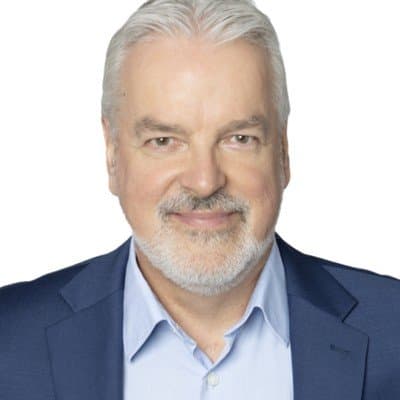
Bernard Sévigny
46%

David Poulin-Latulippe
6%

Hugo Fontaine
2%

Dominic Bouffard
2%
Guillaume Rousseau 48%
Bernard Sévigny 46%
David Poulin-Latulippe 5.5%
Hugo Fontaine 1.5%
Guillaume Rousseau
48%
Bernard Sévigny
46%
David Poulin-Latulippe
6%
Hugo Fontaine
2%
Dominic Bouffard
2%
This market will resolve according to the candidate who wins the next Richmond Quebec National Assembly election for a full term beginning in October 2026 or thereafter.
If the election results are not known definitively by March 31, 2027, 11:59 PM ET, this market will resolve to "Other".
The resolution source for this market will be a consensus of credible reporting. In case of ambiguity, this market will resolve solely based on official election results as published by Elections Quebec (https://www.electionsquebec.qc.ca/).
Market Opened: Aug 31, 2026, 3:51 PM ET
Resolution Source
https://www.electionsquebec.qc.ca/Resolver
0x69c47De9D...This market will resolve according to the candidate who wins the next Richmond Quebec National Assembly election for a full term beginning in October 2026 or thereafter.
If the election results are not known definitively by March 31, 2027, 11:59 PM ET, this market will resolve to "Other".
The resolution source for this market will be a consensus of credible reporting. In case of ambiguity, this market will resolve solely based on official election results as published by Elections Quebec (https://www.electionsquebec.qc.ca/).
Resolution Source
https://www.electionsquebec.qc.ca/Resolver
0x69c47De9D...**The Richmond riding in Quebec’s National Assembly faces a tight contest on October 5, 2026, between Coalition Avenir Québec candidate Guillaume Rousseau and Parti Québécois candidate Bernard Sévigny.** Rousseau, a University of Sherbrooke law professor known for his role defending Bill 21, carries the CAQ banner in a seat the party won comfortably in 2022. Sévigny, the former Sherbrooke mayor and Union des municipalités du Québec president, brings strong local recognition and municipal experience to the PQ ticket. Recent riding-level projections from 338Canada and Qc125 show the CAQ narrowly ahead on vote share, while Vote-Scope models a near toss-up with the PQ edging slightly forward amid broader provincial momentum for the sovereigntist party. The presence of credible candidates from the Liberals (Hugo Fontaine), Conservatives (Dominic Bouffard), and Québec solidaire (David Poulin-Latulippe) fragments the remaining vote, keeping the top two contenders closely matched. Boundary adjustments from the 2026 redistribution and the retirement of incumbent André Bachand have also introduced uncertainty. Trader consensus on Polymarket reflects this balance, with Rousseau and Sévigny separated by just a few percentage points and minimal implied probability for the other listed names. Late-campaign shifts in provincial polling, targeted local outreach, or turnout differences among francophone voters could widen the gap before election day.
Experimental AI-generated summary referencing Polymarket data. This is not trading advice and plays no role in how this market resolves. · Updated


Beware of external links.
Beware of external links.
Frequently Asked Questions