
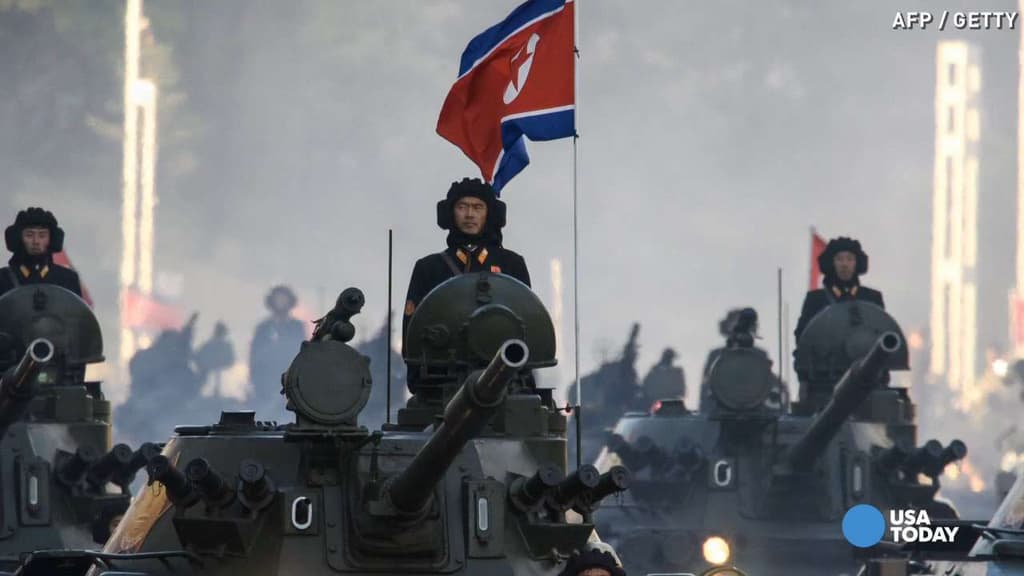
North Korea’s entrenched two-state doctrine, constitutional changes removing unification language, and sustained focus on nuclear expansion plus conventional modernization have reinforced trader expectations that Pyongyang will avoid a full-scale invasion of South Korea through 2026. Recent months show continued missile tests, weapons drills, and border fortifications alongside routine rejections of Seoul’s “peace-first” outreach under President Lee Jae Myung, yet no verified surge in invasion-specific logistics or troop movements. South Korea’s robust defenses, U.S. extended deterrence commitments, and trilateral coordination with Japan further raise the costs of any large conventional assault. While the implied probability of “no” exceeds 90 percent, markets could shift on sudden escalation from miscalculation during joint exercises, a major leadership transition in Pyongyang, or unforeseen great-power realignments that alter North Korea’s risk calculus.
Experimental AI-generated summary referencing Polymarket data. This is not trading advice and plays no role in how this market resolves. · UpdatedWill North Korea invade South Korea before 2027?
Will North Korea invade South Korea before 2027?
$444,001 Vol.
$444,001 Vol.
$444,001 Vol.
$444,001 Vol.
The resolution source for this market will be will be official confirmation by South Korea, North Korea, the United Nations, or any permanent member of the UN Security Council, however a consensus of credible reporting will also be used.
Market Opened: Nov 5, 2025, 1:16 PM ET
Resolver
0x65070BE91...The resolution source for this market will be will be official confirmation by South Korea, North Korea, the United Nations, or any permanent member of the UN Security Council, however a consensus of credible reporting will also be used.
Resolver
0x65070BE91...North Korea’s entrenched two-state doctrine, constitutional changes removing unification language, and sustained focus on nuclear expansion plus conventional modernization have reinforced trader expectations that Pyongyang will avoid a full-scale invasion of South Korea through 2026. Recent months show continued missile tests, weapons drills, and border fortifications alongside routine rejections of Seoul’s “peace-first” outreach under President Lee Jae Myung, yet no verified surge in invasion-specific logistics or troop movements. South Korea’s robust defenses, U.S. extended deterrence commitments, and trilateral coordination with Japan further raise the costs of any large conventional assault. While the implied probability of “no” exceeds 90 percent, markets could shift on sudden escalation from miscalculation during joint exercises, a major leadership transition in Pyongyang, or unforeseen great-power realignments that alter North Korea’s risk calculus.
Experimental AI-generated summary referencing Polymarket data. This is not trading advice and plays no role in how this market resolves. · Updated


Beware of external links.
Beware of external links.
Frequently Asked Questions