
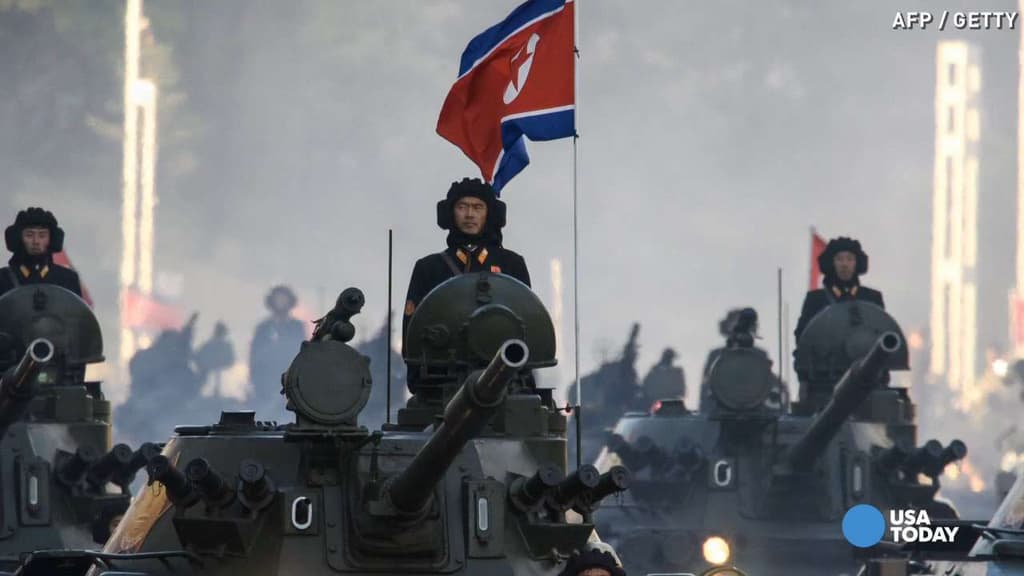
North Korea has sustained a posture of military buildup and periodic provocations without crossing into large-scale invasion preparations, as evidenced by its August 2026 short-range ballistic missile launches into eastern waters following scaled-back U.S.-South Korea drills and earlier June weapons tests of tactical missiles, rocket systems, and artillery. Pyongyang has prioritized nuclear and conventional enhancements, naval expansion with new destroyers, and artillery deployments near the border while rejecting dialogue and labeling South Korea a hostile state. Trader consensus at 96.7% for no invasion before 2027 reflects the absence of mobilization signals or immediate triggers amid South Korea’s reinforced defenses and alliance commitments. Low-probability shifts could still arise from miscalculation during border incidents, abrupt leadership decisions, or rapid escalation tied to external alliances, though these remain constrained by the high costs of full conflict.
Experimental AI-generated summary referencing Polymarket data. This is not trading advice and plays no role in how this market resolves. · UpdatedWill North Korea invade South Korea before 2027?
Will North Korea invade South Korea before 2027?
$444,035 Vol.
$444,035 Vol.
$444,035 Vol.
$444,035 Vol.
The resolution source for this market will be will be official confirmation by South Korea, North Korea, the United Nations, or any permanent member of the UN Security Council, however a consensus of credible reporting will also be used.
Market Opened: Nov 5, 2025, 1:16 PM ET
Resolver
0x65070BE91...The resolution source for this market will be will be official confirmation by South Korea, North Korea, the United Nations, or any permanent member of the UN Security Council, however a consensus of credible reporting will also be used.
Resolver
0x65070BE91...North Korea has sustained a posture of military buildup and periodic provocations without crossing into large-scale invasion preparations, as evidenced by its August 2026 short-range ballistic missile launches into eastern waters following scaled-back U.S.-South Korea drills and earlier June weapons tests of tactical missiles, rocket systems, and artillery. Pyongyang has prioritized nuclear and conventional enhancements, naval expansion with new destroyers, and artillery deployments near the border while rejecting dialogue and labeling South Korea a hostile state. Trader consensus at 96.7% for no invasion before 2027 reflects the absence of mobilization signals or immediate triggers amid South Korea’s reinforced defenses and alliance commitments. Low-probability shifts could still arise from miscalculation during border incidents, abrupt leadership decisions, or rapid escalation tied to external alliances, though these remain constrained by the high costs of full conflict.
Experimental AI-generated summary referencing Polymarket data. This is not trading advice and plays no role in how this market resolves. · Updated


Beware of external links.
Beware of external links.
Frequently Asked Questions