
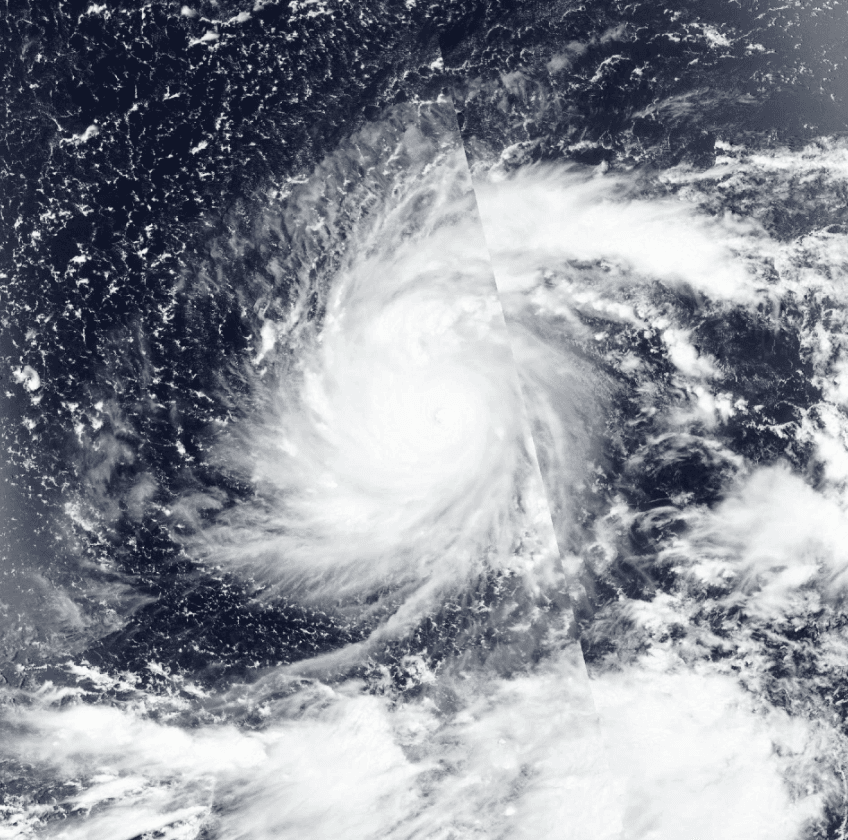
Above-normal activity in the western North Pacific has driven trader consensus toward greater than eight landfalls in China for 2026, consistent with China’s National Climate Center outlook of 7–9 impacts versus the long-term average near seven. Multiple systems including Bavi, Maysak, Noul, Dolphin, and Saudel—whose unusual redevelopment produced three landfalls—have already reached the mainland by early September, with 24 named storms formed basin-wide by September 1. September forecasts from the National Meteorological Center project two to three additional landfalls or significant impacts, exceeding seasonal norms amid peak activity. Remaining steering patterns, sea-surface temperatures, and late-season genesis through October–November remain key variables that could shift totals before CMA Best Track resolution.
Experimental AI-generated summary referencing Polymarket data. This is not trading advice and plays no role in how this market resolves. · UpdatedHow many tropical cyclones will make landfall in China during 2026?
How many tropical cyclones will make landfall in China during 2026?
Greater than 8 69%
8 14%
6 6.2%
7 1%
$20,387 Vol.
$20,387 Vol.
Fewer than 5
<1%
5
1%
6
6%
7
1%
8
14%
Greater than 8
69%
Greater than 8 69%
8 14%
6 6.2%
7 1%
$20,387 Vol.
$20,387 Vol.
Fewer than 5
<1%
5
1%
6
6%
7
1%
8
14%
Greater than 8
69%
All landfalling tropical cyclones listed by the CMA on that page count toward the total, regardless of their intensity category at landfall (tropical depression, tropical storm, severe tropical storm, typhoon, severe typhoon, or super typhoon). What constitutes a landfall in China (including which mainland and island locations qualify) is determined solely by the CMA's records on that page. Each tropical cyclone is counted once toward the total, regardless of how many separate times it makes landfall.
One bracket will resolve "Yes" and all others "No".
If the CMA "Landfalling TCs" page is inaccessible or the 2026 Best Track Dataset has not been updated by June 30, 2027, resolution will instead be based on the number of tropical cyclones reported by China as making landfall for the 2026 season - counted on the same all-intensity basis - in the ESCAP/WMO Typhoon Committee Annual Session final report for the 2026 season (https://www.typhooncommittee.org).
Market Opened: Aug 5, 2026, 2:44 PM ET
Resolution Source
https://tcdata.typhoon.org.cn/en/dlrdqx.htmlResolver
0x69c47De9D...All landfalling tropical cyclones listed by the CMA on that page count toward the total, regardless of their intensity category at landfall (tropical depression, tropical storm, severe tropical storm, typhoon, severe typhoon, or super typhoon). What constitutes a landfall in China (including which mainland and island locations qualify) is determined solely by the CMA's records on that page. Each tropical cyclone is counted once toward the total, regardless of how many separate times it makes landfall.
One bracket will resolve "Yes" and all others "No".
If the CMA "Landfalling TCs" page is inaccessible or the 2026 Best Track Dataset has not been updated by June 30, 2027, resolution will instead be based on the number of tropical cyclones reported by China as making landfall for the 2026 season - counted on the same all-intensity basis - in the ESCAP/WMO Typhoon Committee Annual Session final report for the 2026 season (https://www.typhooncommittee.org).
Resolution Source
https://tcdata.typhoon.org.cn/en/dlrdqx.htmlResolver
0x69c47De9D...Above-normal activity in the western North Pacific has driven trader consensus toward greater than eight landfalls in China for 2026, consistent with China’s National Climate Center outlook of 7–9 impacts versus the long-term average near seven. Multiple systems including Bavi, Maysak, Noul, Dolphin, and Saudel—whose unusual redevelopment produced three landfalls—have already reached the mainland by early September, with 24 named storms formed basin-wide by September 1. September forecasts from the National Meteorological Center project two to three additional landfalls or significant impacts, exceeding seasonal norms amid peak activity. Remaining steering patterns, sea-surface temperatures, and late-season genesis through October–November remain key variables that could shift totals before CMA Best Track resolution.
Experimental AI-generated summary referencing Polymarket data. This is not trading advice and plays no role in how this market resolves. · Updated

Beware of external links.
Beware of external links.
Frequently Asked Questions