
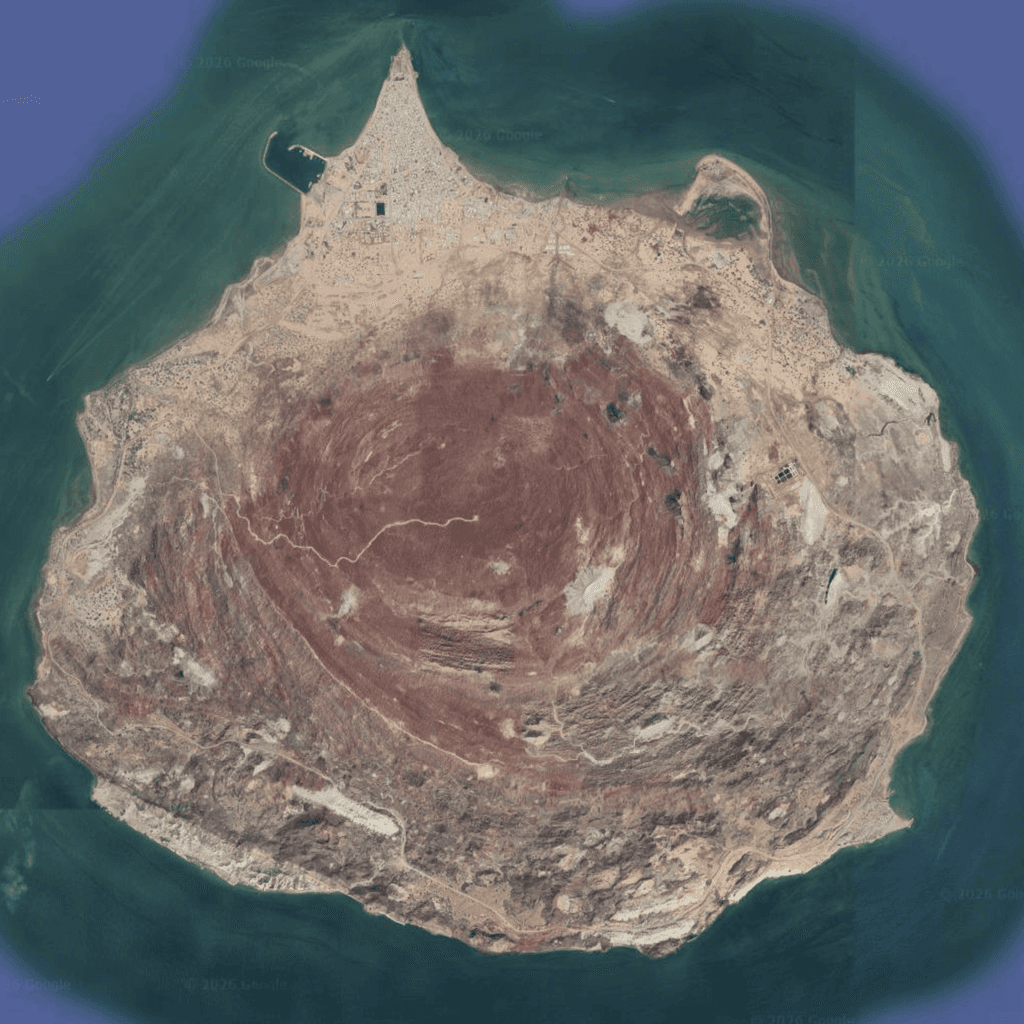
Iran maintains firm control over Hormuz Island, a key observation and defensive outpost at the entrance to the Strait of Hormuz that supports Iranian efforts to monitor and influence maritime traffic. In the ongoing US-Iran conflict that began in February 2026, Tehran has used Hormuz and neighboring islands such as Larak and Qeshm to enforce traffic schemes, deploy anti-ship capabilities, and assert administrative authority, even as a fragile interim memorandum of understanding attempts to stabilize passage. Recent months have featured repeated US Central Command strikes on Iranian coastal radar, missile sites, and IRGC vessels in the strait area, alongside Iranian drone and missile responses, yet these exchanges have targeted military assets without altering territorial control of the islands. Gulf states and international actors continue to reject Iranian tolls or exclusive management claims, while negotiations with Oman on future arrangements remain stalled amid enforcement actions and retaliatory incidents through September 2026. Trader assessments reflect the low probability of any near-term shift in sovereignty absent a major escalation or negotiated territorial concession.
Experimental AI-generated summary referencing Polymarket data. This is not trading advice and plays no role in how this market resolves. · UpdatedHormuz Island no longer under Iranian control by...?
Hormuz Island no longer under Iranian control by...?
$70,725 Vol.
September 30
2%
$70,725 Vol.
September 30
2%
"No longer under the control of Iran" means that Iran no longer exercises primary governmental or military control over Hormuz Island, and another state, occupying force, or internationally backed authority has established control over the island.
Temporary raids, isolated landings, special operations, bombardment, sabotage, naval presence offshore, or temporary disruption of Iranian activity will not qualify on their own.
An announcement, threat, or claim that Iran has lost control will not qualify without actual control being established.
If control changes pursuant to a negotiated settlement, ceasefire term, surrender, or transfer agreement, this will qualify only once actual control has been established on the island.
If control over Hormuz Island is contested, unclear, disputed, or not sufficiently established by the resolution date, this will not qualify, and the market will resolve to "No".
The primary resolution source will be official statements from the relevant governments and militaries, along with a consensus of credible reporting.
Market Opened: Aug 26, 2026, 11:06 AM ET
Resolver
0x65070BE91..."No longer under the control of Iran" means that Iran no longer exercises primary governmental or military control over Hormuz Island, and another state, occupying force, or internationally backed authority has established control over the island.
Temporary raids, isolated landings, special operations, bombardment, sabotage, naval presence offshore, or temporary disruption of Iranian activity will not qualify on their own.
An announcement, threat, or claim that Iran has lost control will not qualify without actual control being established.
If control changes pursuant to a negotiated settlement, ceasefire term, surrender, or transfer agreement, this will qualify only once actual control has been established on the island.
If control over Hormuz Island is contested, unclear, disputed, or not sufficiently established by the resolution date, this will not qualify, and the market will resolve to "No".
The primary resolution source will be official statements from the relevant governments and militaries, along with a consensus of credible reporting.
Resolver
0x65070BE91...Iran maintains firm control over Hormuz Island, a key observation and defensive outpost at the entrance to the Strait of Hormuz that supports Iranian efforts to monitor and influence maritime traffic. In the ongoing US-Iran conflict that began in February 2026, Tehran has used Hormuz and neighboring islands such as Larak and Qeshm to enforce traffic schemes, deploy anti-ship capabilities, and assert administrative authority, even as a fragile interim memorandum of understanding attempts to stabilize passage. Recent months have featured repeated US Central Command strikes on Iranian coastal radar, missile sites, and IRGC vessels in the strait area, alongside Iranian drone and missile responses, yet these exchanges have targeted military assets without altering territorial control of the islands. Gulf states and international actors continue to reject Iranian tolls or exclusive management claims, while negotiations with Oman on future arrangements remain stalled amid enforcement actions and retaliatory incidents through September 2026. Trader assessments reflect the low probability of any near-term shift in sovereignty absent a major escalation or negotiated territorial concession.
Experimental AI-generated summary referencing Polymarket data. This is not trading advice and plays no role in how this market resolves. · Updated


Beware of external links.
Beware of external links.
Frequently Asked Questions