
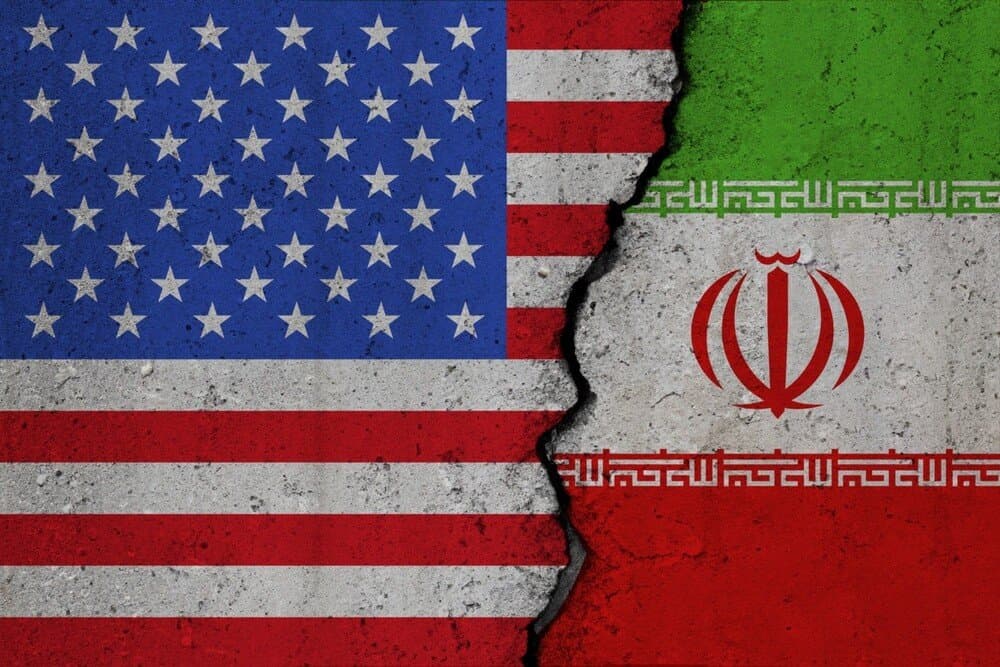
Recent cycles of US-Iran military exchanges around the Strait of Hormuz, coupled with repeated violations of the June 17 memorandum of understanding, have kept direct strikes intermittent despite multiple diplomatic pauses brokered by Qatar and Pakistan. A fresh two-week suspension of US military action was announced in early September after the latest round of Iranian strikes on shipping and US retaliation, with both sides accusing each other of breaching prior commitments on navigation, sanctions relief, and nuclear negotiations. Iran’s president signaled willingness to restore the earlier framework if Washington reciprocates, while US statements tie any sustained halt to verifiable progress on Hormuz access and de-escalation. These short-lived accommodations and persistent flashpoints over maritime control and broader talks shape trader assessments of whether a qualifying 14-day pause can hold.
Experimental AI-generated summary referencing Polymarket data. This is not trading advice and plays no role in how this market resolves. · UpdatedUS x Iran Effective Ceasefire begins by...? (2 week pause)
US x Iran Effective Ceasefire begins by...? (2 week pause)
$477,724 Vol.
September 4
32%
September 7
46%
September 11
55%
September 18
67%
September 30
75%
$477,724 Vol.
September 4
32%
September 7
46%
September 11
55%
September 18
67%
September 30
75%
The first day of the 14-day period will be the calendar date (ET) after the most recent qualifying military action (or the date of market creation, if no qualifying action has occurred). The period runs through 12:00 PM ET on the 14th calendar day. This market resolves to “Yes” if any such period is completed where the most recent qualifying military action occurred on or before the specified end date (ET).
A qualifying military action refers to an air strike or a surface-to-surface missile strike, initiated by the United States, that directly impacts Iran. An air strike includes bombs, air-to-surface missiles, and air-launched drones. A surface-to-surface missile strike includes one-way attack drones and surface-to-surface missiles such as cruise or ballistic missiles.
The following actions do not constitute a qualifying military action:
Munitions destroyed or intercepted before impact;
Surface-to-air missile strikes;
Small-arms fire;
Ground incursions;
Cyber operations;
Naval gunfire and artillery fire;
Howitzers, artillery pieces, mortars, and rocket artillery (e.g. MLRS systems);
Minor surface-to-surface strikes, including short range loitering munitions, FPV drones, and ATGM strikes;
Any threat, authorization, or announcement of force that has not been executed.
Any munition that is intercepted or destroyed before impact does not constitute a qualifying military action. Debris, fragments, or any wreckage from intercepted munitions that land on Iran do not constitute a military action regardless of any damage incurred.
A military action will be considered to impact Iran if it directly impacts the terrestrial territory of Iran, including any internal waters. Maritime territory and airspace are not encompassed. Where territorial borders are disputed, all territory claimed by and under the de facto control of Iran as of market creation will qualify.
The occurrence, attribution, and timing of a qualifying military action will be primarily determined based on a consensus of information available from the resolution sources. Where multiple sources conflict regarding the occurrence, attribution, or timing of a relevant military action, this market will remain open until the earlier of: i) the confirmation of the occurrence, attribution, and timing of the action based on a consensus of information available from the resolution sources or ii) 3 full calendar days (ET) from the date of the first credibly reported evidence of the action. If this period would extend past the end date, this market will remain open to allow for 3 full calendar days to pass. If, at the end of the third calendar day, conflicting reports remain as to the occurrence, attribution, or timing of the action, the action will be judged based on the totality of information available from the resolution sources at that time. No single statement, denial, or presentation of evidence will govern where it is contradicted by the totality of information.
The resolution sources for this market will be official information from the governments and militaries of the United States and Iran and credible reporting.
Market Opened: Sep 1, 2026, 8:24 PM ET
Resolver
0x65070BE91...The first day of the 14-day period will be the calendar date (ET) after the most recent qualifying military action (or the date of market creation, if no qualifying action has occurred). The period runs through 12:00 PM ET on the 14th calendar day. This market resolves to “Yes” if any such period is completed where the most recent qualifying military action occurred on or before the specified end date (ET).
A qualifying military action refers to an air strike or a surface-to-surface missile strike, initiated by the United States, that directly impacts Iran. An air strike includes bombs, air-to-surface missiles, and air-launched drones. A surface-to-surface missile strike includes one-way attack drones and surface-to-surface missiles such as cruise or ballistic missiles.
The following actions do not constitute a qualifying military action:
Munitions destroyed or intercepted before impact;
Surface-to-air missile strikes;
Small-arms fire;
Ground incursions;
Cyber operations;
Naval gunfire and artillery fire;
Howitzers, artillery pieces, mortars, and rocket artillery (e.g. MLRS systems);
Minor surface-to-surface strikes, including short range loitering munitions, FPV drones, and ATGM strikes;
Any threat, authorization, or announcement of force that has not been executed.
Any munition that is intercepted or destroyed before impact does not constitute a qualifying military action. Debris, fragments, or any wreckage from intercepted munitions that land on Iran do not constitute a military action regardless of any damage incurred.
A military action will be considered to impact Iran if it directly impacts the terrestrial territory of Iran, including any internal waters. Maritime territory and airspace are not encompassed. Where territorial borders are disputed, all territory claimed by and under the de facto control of Iran as of market creation will qualify.
The occurrence, attribution, and timing of a qualifying military action will be primarily determined based on a consensus of information available from the resolution sources. Where multiple sources conflict regarding the occurrence, attribution, or timing of a relevant military action, this market will remain open until the earlier of: i) the confirmation of the occurrence, attribution, and timing of the action based on a consensus of information available from the resolution sources or ii) 3 full calendar days (ET) from the date of the first credibly reported evidence of the action. If this period would extend past the end date, this market will remain open to allow for 3 full calendar days to pass. If, at the end of the third calendar day, conflicting reports remain as to the occurrence, attribution, or timing of the action, the action will be judged based on the totality of information available from the resolution sources at that time. No single statement, denial, or presentation of evidence will govern where it is contradicted by the totality of information.
The resolution sources for this market will be official information from the governments and militaries of the United States and Iran and credible reporting.
Resolver
0x65070BE91...Recent cycles of US-Iran military exchanges around the Strait of Hormuz, coupled with repeated violations of the June 17 memorandum of understanding, have kept direct strikes intermittent despite multiple diplomatic pauses brokered by Qatar and Pakistan. A fresh two-week suspension of US military action was announced in early September after the latest round of Iranian strikes on shipping and US retaliation, with both sides accusing each other of breaching prior commitments on navigation, sanctions relief, and nuclear negotiations. Iran’s president signaled willingness to restore the earlier framework if Washington reciprocates, while US statements tie any sustained halt to verifiable progress on Hormuz access and de-escalation. These short-lived accommodations and persistent flashpoints over maritime control and broader talks shape trader assessments of whether a qualifying 14-day pause can hold.
Experimental AI-generated summary referencing Polymarket data. This is not trading advice and plays no role in how this market resolves. · Updated


Beware of external links.
Beware of external links.
Frequently Asked Questions