

Ongoing U.S.-Iran hostilities since February 2026, including targeted strikes on military sites at Kharg and Larak islands, represent the dominant driver of trader sentiment. Kharg handles roughly 90% of Iran’s crude exports—about 1.5–2 million barrels per day pre-disruption—with loading capacity of seven million barrels daily and storage of 30 million barrels, making any loss of control a major supply shock that would lift global oil prices and Treasury yields. Exports have fluctuated sharply amid naval blockades and temporary truces, falling to as low as 135,000 barrels per day in August before partial recoveries. Iran has reinforced air defenses and mining around these islands while the U.S. has avoided hitting oil infrastructure, underscoring high operational risks that keep the probability of outright territorial loss low. Key near-term catalysts include FOMC meetings, any renewed Strait of Hormuz negotiations, and potential further strikes or ceasefires that could shift implied probabilities in energy-linked markets.
Experimental AI-generated summary referencing Polymarket data. This is not trading advice and plays no role in how this market resolves. · UpdatedFarsi, Hengam, Hormuz or Kharg Island no longer under Iranian control by...?
Farsi, Hengam, Hormuz or Kharg Island no longer under Iranian control by...?
$134,543 Vol.
September 30
2%
$134,543 Vol.
September 30
2%
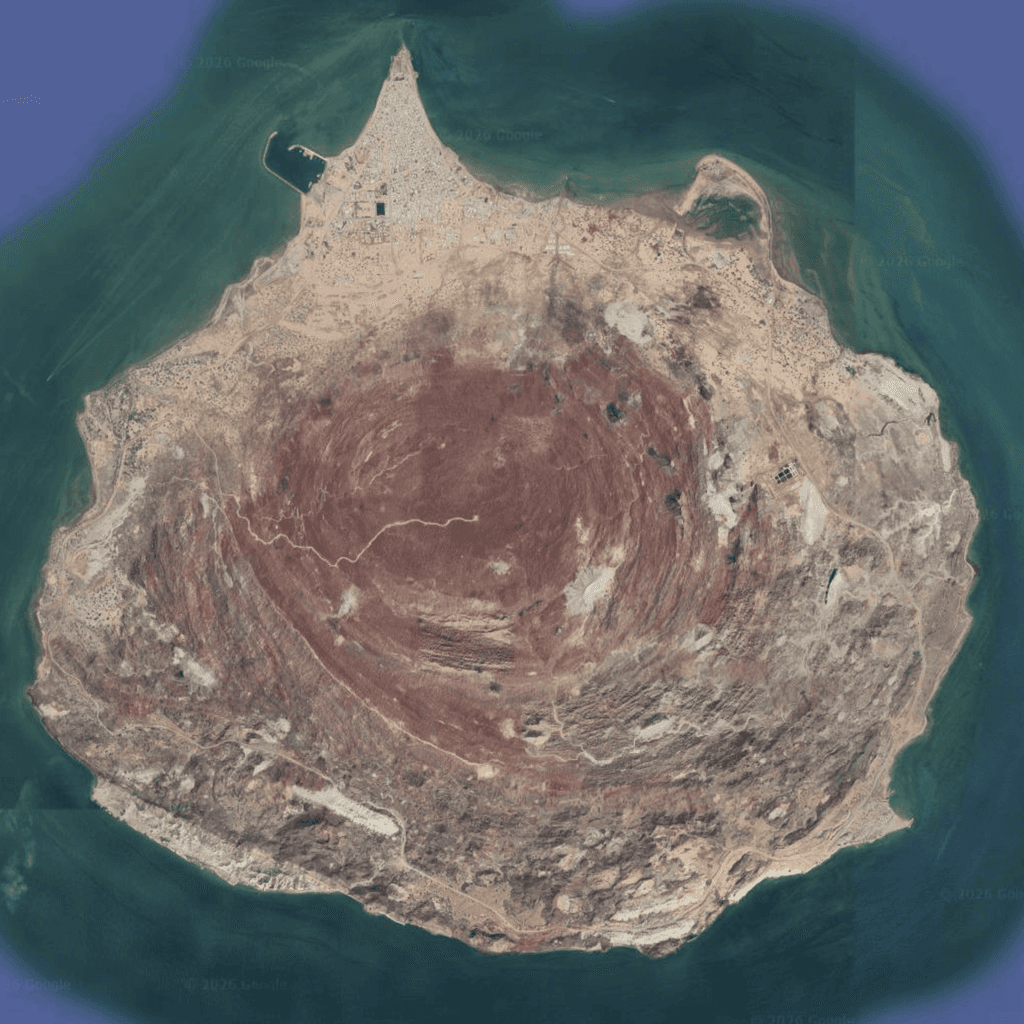
The islands that will be considered for resolution are: Farsi Island, Hengam Island, Hormuz Island and Kharg Island.
"No longer under the control of Iran" means that Iran no longer exercises primary governmental or military control over at least one of the specified islands, and another state, occupying force, or internationally backed authority has established control.
Temporary raids, isolated landings, special operations, bombardment, sabotage, naval presence offshore, or temporary disruption of Iranian activity will not qualify on their own.
An announcement, threat, or claim that Iran has lost control will not qualify without actual control being established.
If control changes pursuant to a negotiated settlement, ceasefire term, surrender, or transfer agreement, this will qualify only once actual control has been established on the island.
If control over at least one of the specified islands is contested, unclear, disputed, or not sufficiently established by the resolution date, this will not qualify, and the market will resolve to "No".
The primary resolution source will be official statements from the relevant governments and militaries, along with a consensus of credible reporting.
Market Opened: Aug 4, 2026, 8:03 PM ET
Resolver
0x65070BE91...The islands that will be considered for resolution are: Farsi Island, Hengam Island, Hormuz Island and Kharg Island.
"No longer under the control of Iran" means that Iran no longer exercises primary governmental or military control over at least one of the specified islands, and another state, occupying force, or internationally backed authority has established control.
Temporary raids, isolated landings, special operations, bombardment, sabotage, naval presence offshore, or temporary disruption of Iranian activity will not qualify on their own.
An announcement, threat, or claim that Iran has lost control will not qualify without actual control being established.
If control changes pursuant to a negotiated settlement, ceasefire term, surrender, or transfer agreement, this will qualify only once actual control has been established on the island.
If control over at least one of the specified islands is contested, unclear, disputed, or not sufficiently established by the resolution date, this will not qualify, and the market will resolve to "No".
The primary resolution source will be official statements from the relevant governments and militaries, along with a consensus of credible reporting.
Resolver
0x65070BE91...Ongoing U.S.-Iran hostilities since February 2026, including targeted strikes on military sites at Kharg and Larak islands, represent the dominant driver of trader sentiment. Kharg handles roughly 90% of Iran’s crude exports—about 1.5–2 million barrels per day pre-disruption—with loading capacity of seven million barrels daily and storage of 30 million barrels, making any loss of control a major supply shock that would lift global oil prices and Treasury yields. Exports have fluctuated sharply amid naval blockades and temporary truces, falling to as low as 135,000 barrels per day in August before partial recoveries. Iran has reinforced air defenses and mining around these islands while the U.S. has avoided hitting oil infrastructure, underscoring high operational risks that keep the probability of outright territorial loss low. Key near-term catalysts include FOMC meetings, any renewed Strait of Hormuz negotiations, and potential further strikes or ceasefires that could shift implied probabilities in energy-linked markets.
Experimental AI-generated summary referencing Polymarket data. This is not trading advice and plays no role in how this market resolves. · Updated

Beware of external links.
Beware of external links.
Frequently Asked Questions