
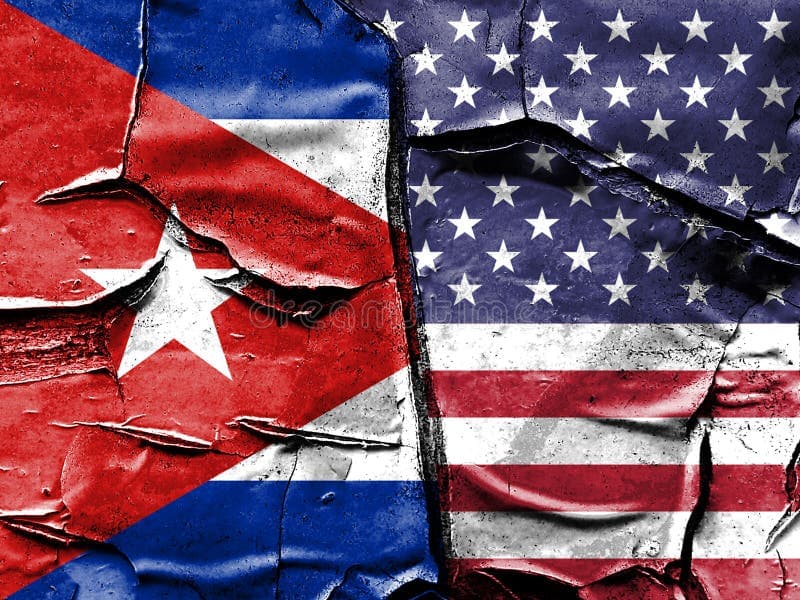
The high implied probability against a U.S. invasion of Cuba in 2026 stems primarily from the Trump administration’s sustained emphasis on economic sanctions, oil import restrictions, and targeted designations to pressure the Cuban regime, rather than kinetic military action. Secretary of State Marco Rubio has consistently prioritized diplomatic and economic levers aimed at long-term regime erosion by the end of the term, while downplaying overnight change. Recent developments, including new sanctions announced in early September 2026 on Cuban energy and state-linked entities, reinforce this approach amid Cuba’s ongoing blackouts and economic strain. U.S. military resources remain committed to the Iran conflict, and Pentagon planning for contingencies has not translated into deployment decisions. Trader consensus reflects these barriers and the absence of a triggering event such as regime collapse or direct provocation.
Experimental AI-generated summary referencing Polymarket data. This is not trading advice and plays no role in how this market resolves. · Updated$3,280,150 Vol.
$3,280,150 Vol.
$3,280,150 Vol.
$3,280,150 Vol.
For the purposes of this market, land de facto controlled by Cuba or the United States as market creation, will be considered the sovereign territory of that country.
The resolution source for this market will be a consensus of credible sources.
Market Opened: Jan 4, 2026, 3:24 PM ET
Resolver
0x65070BE91...For the purposes of this market, land de facto controlled by Cuba or the United States as market creation, will be considered the sovereign territory of that country.
The resolution source for this market will be a consensus of credible sources.
Resolver
0x65070BE91...The high implied probability against a U.S. invasion of Cuba in 2026 stems primarily from the Trump administration’s sustained emphasis on economic sanctions, oil import restrictions, and targeted designations to pressure the Cuban regime, rather than kinetic military action. Secretary of State Marco Rubio has consistently prioritized diplomatic and economic levers aimed at long-term regime erosion by the end of the term, while downplaying overnight change. Recent developments, including new sanctions announced in early September 2026 on Cuban energy and state-linked entities, reinforce this approach amid Cuba’s ongoing blackouts and economic strain. U.S. military resources remain committed to the Iran conflict, and Pentagon planning for contingencies has not translated into deployment decisions. Trader consensus reflects these barriers and the absence of a triggering event such as regime collapse or direct provocation.
Experimental AI-generated summary referencing Polymarket data. This is not trading advice and plays no role in how this market resolves. · Updated
Beware of external links.
Beware of external links.
Frequently Asked Questions