
Turkey's exclusion from the F-35 program since 2019 stems from its acquisition of Russia's S-400 air defense system, which U.S. law under the NDAA and CAATSA bars until Ankara no longer possesses the system and provides credible assurances against similar Russian purchases. Recent diplomatic momentum has built under the Trump administration, with President Trump signaling willingness at the July 2026 NATO summit in Ankara to lift related CAATSA sanctions and consider F-35 sales, prompting Turkish officials to describe talks as nearing resolution through a joint working group. Ankara has explored options such as transferring the S-400 to a third country, though progress remains stalled by statutory certification requirements. Congressional opposition, alongside concerns from Israel and Greece over regional balance, continues to shape the timeline, while separate U.S. engine sales for Turkey's KAAN fighter advance in parallel.
Experimental AI-generated summary referencing Polymarket data. This is not trading advice and plays no role in how this market resolves. · Updated$44,178 Vol.
December 31, 2026
9%
June 30, 2027
20%
$44,178 Vol.
December 31, 2026
9%
June 30, 2027
20%
Turkey will be considered formally included in the F-35 program if any of the following occur:
- Turkey is officially listed by the F-35 Joint Program Office as an F-35 Partner;
- Turkey is officially listed by the F-35 Joint Program Office as an F-35 Foreign Military Sales Customer; or
- the United States federal government officially announces that Turkey has signed or accepted a Foreign Military Sales Letter (FMS) of Offer and Acceptance (LOA) for F-35 aircraft or F-35 components.
Statements of intent, negotiations, sanctions relief, waiver or certification of legal restrictions, congressional notification, or general announcements that the United States supports or is considering an F-35 sale to Turkey will not qualify unless one of the above conditions is met.
Once a qualifying action has occurred, this market will resolve to “Yes,” regardless of any subsequent reversal, suspension, or cancellation.
The primary resolution source for this market will be official information from the F-35 Joint Program Office and the United States federal government; however, a consensus of credible reporting will also be considered.
Market Opened: Jul 14, 2026, 10:15 AM ET
Resolver
0x65070BE91...Turkey will be considered formally included in the F-35 program if any of the following occur:
- Turkey is officially listed by the F-35 Joint Program Office as an F-35 Partner;
- Turkey is officially listed by the F-35 Joint Program Office as an F-35 Foreign Military Sales Customer; or
- the United States federal government officially announces that Turkey has signed or accepted a Foreign Military Sales Letter (FMS) of Offer and Acceptance (LOA) for F-35 aircraft or F-35 components.
Statements of intent, negotiations, sanctions relief, waiver or certification of legal restrictions, congressional notification, or general announcements that the United States supports or is considering an F-35 sale to Turkey will not qualify unless one of the above conditions is met.
Once a qualifying action has occurred, this market will resolve to “Yes,” regardless of any subsequent reversal, suspension, or cancellation.
The primary resolution source for this market will be official information from the F-35 Joint Program Office and the United States federal government; however, a consensus of credible reporting will also be considered.
Resolver
0x65070BE91...Turkey's exclusion from the F-35 program since 2019 stems from its acquisition of Russia's S-400 air defense system, which U.S. law under the NDAA and CAATSA bars until Ankara no longer possesses the system and provides credible assurances against similar Russian purchases. Recent diplomatic momentum has built under the Trump administration, with President Trump signaling willingness at the July 2026 NATO summit in Ankara to lift related CAATSA sanctions and consider F-35 sales, prompting Turkish officials to describe talks as nearing resolution through a joint working group. Ankara has explored options such as transferring the S-400 to a third country, though progress remains stalled by statutory certification requirements. Congressional opposition, alongside concerns from Israel and Greece over regional balance, continues to shape the timeline, while separate U.S. engine sales for Turkey's KAAN fighter advance in parallel.
Experimental AI-generated summary referencing Polymarket data. This is not trading advice and plays no role in how this market resolves. · Updated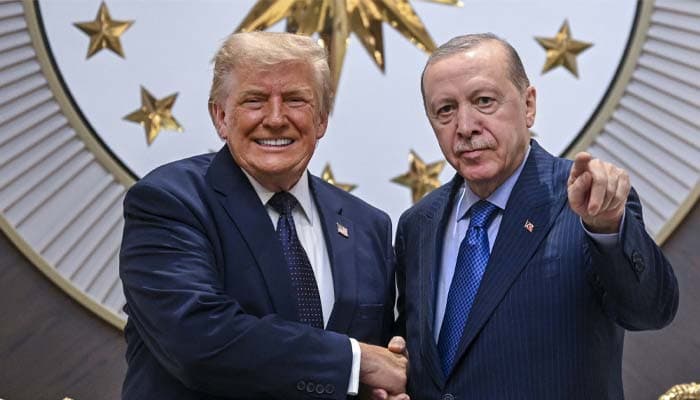

Beware of external links.
Beware of external links.
Frequently Asked Questions